


 English
 Filipino
 Spanish
 Ukrainian
 Vietnamese
 English
 Spanish
California Requirements
California has a number of key state laws related to solid waste, recycling, and composting.
SB 1383 (Short Lived Climate Pollutant Reduction Strategy)
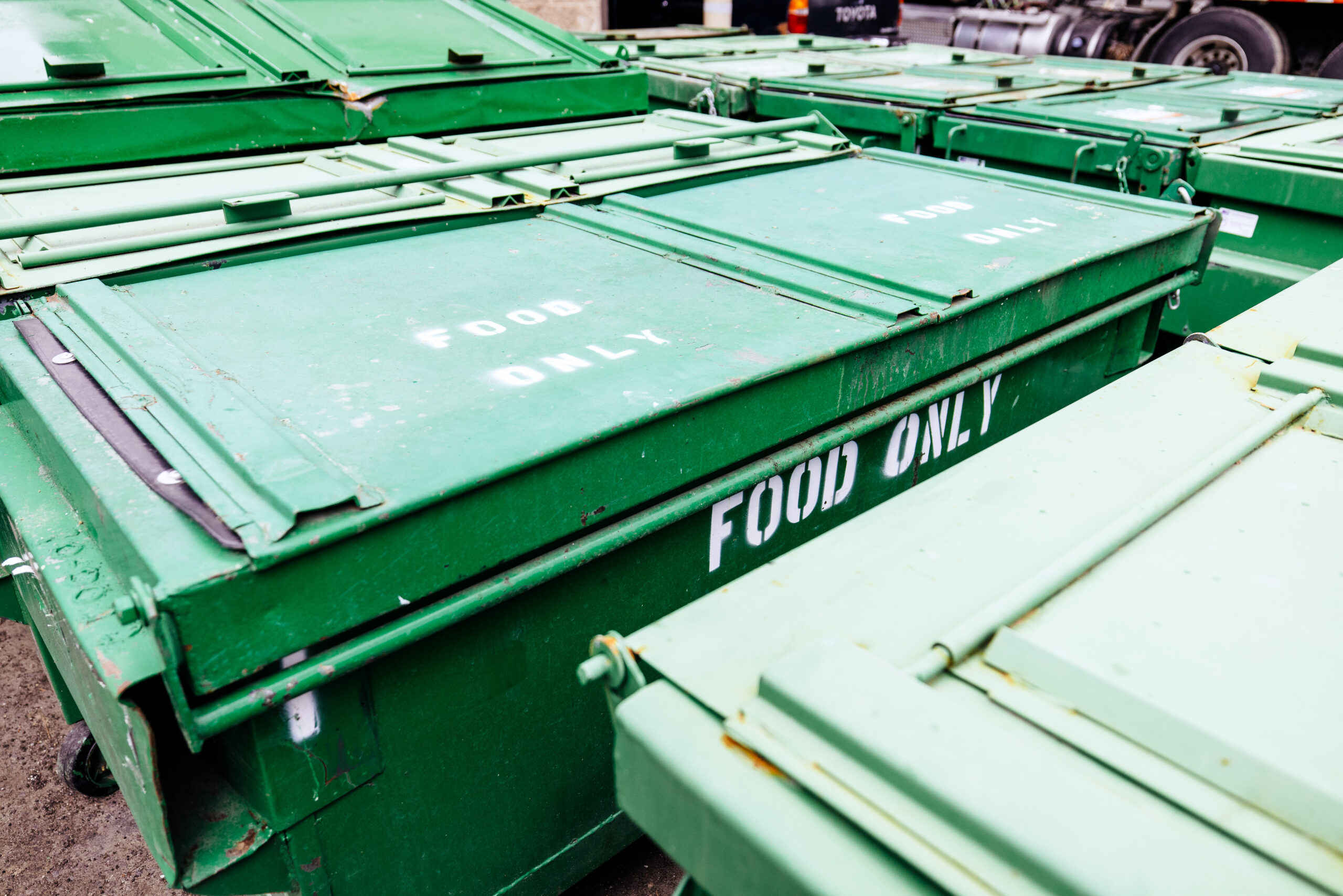
SB 1383 is the most significant landfill waste reduction mandate adopted in California in the last 30 years. Its goal is to reduce organics waste landfill disposal by 75% (from 2014 levels) by 2025. This means diverting more than 20 million tons from landfills. The legislation aims to slow climate change by diverting organic materials from landfills, recovering 20% of edible food and redirecting it to food-insecure Californians.
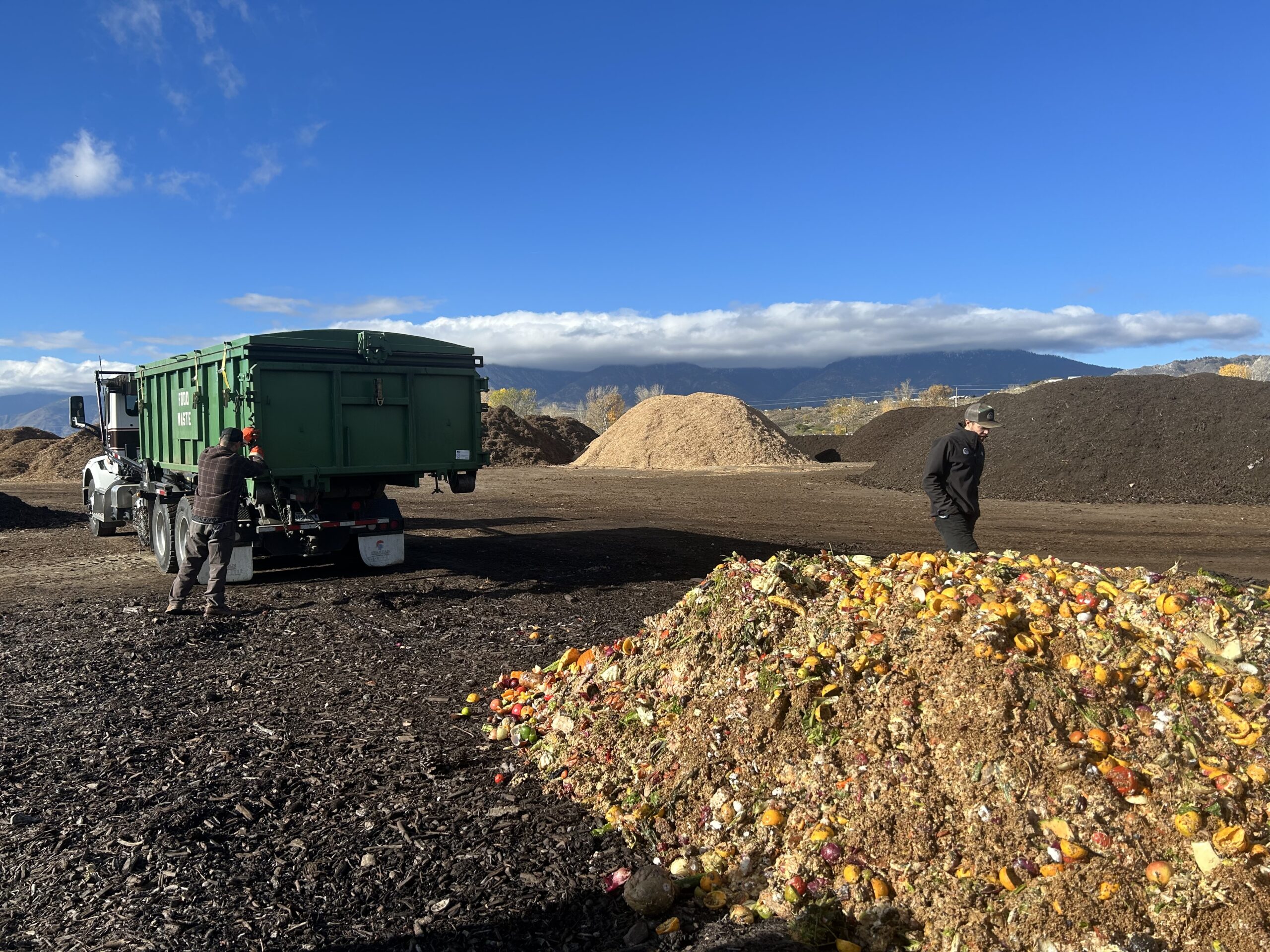
Beginning January 1, 2022, residences and businesses will separate organics from trash and recycling. Communities in South Lake Tahoe received a “high elevation waiver” from CalRecycle for the required collection of separated food waste, but we still are required to separate our yard waste. In addition, we have optional free food waste drop-off for customers that want to compost their food scraps.
AB 1826 (Mandatory Commercial Organics Recycling)
Adopted in 2014, AB 1826 mandates that businesses, including schools and public entities that generate 2 cubic yards or more of commercial solid waste per week (total for trash, recycling and organics), shall arrange for organic waste recycling services.
Unlike SB 1383, this law does not allow for “high elevation” waivers for food waste collection. Therefore, California commercial entities that meet the minimum threshold must separate and recycle food waste under AB 1826.

AB 341 (Mandatory Commercial Recycling)
Adopted in 2011 as part of the California Global Warming Solutions Act, AB 341’s aim is to reduce GHG emissions by diverting commercial solid waste to recycling efforts and to expand the opportunity for additional recycling services and recycling manufacturing facilities in California.
A business (includes public entities) that generates four cubic yards or more of commercial solid waste per week or is a multifamily residential dwelling of five units or more shall arrange for recycling services. Businesses can take one or any combination of the following to comply:
- Self-haul
- Subscribe to a hauler(s)
- Arrange for the pickup of recyclable materials
- Subscribe to a recycling service that may include mixed waste processing that yields diversion results comparable to source separation.
In South Tahoe, all commercial businesses are compliant because we provide mixed waste processing for commercial and multi-family accounts that yields diversion results comparable to source separation. We also provide the option of separated recycle bins.
Construction and Demolition Recycling Requirements
The California Green Building Standards Code (CALGreen) mandates new residential and non-residential construction, demolition, and certain additions and alterations projects to recycle and/or salvage for reuse a minimum of 65% of the non-hazardous construction and demolition (C&D) debris generated during the project. The requirements must be met in order to obtain a building permit.
Your local building department will inform you of whether your project falls under these requirements.
